New data from UK cyber security research published in October 2026 reveals a troubling reality:
58% of UK ransomware victims paid ransoms despite NCSC guidance not to
, and
more than one in five victims (21%+) were subsequently targeted for a second extortion demand
. For Kent SMEs, these figures expose the critical gap between official advice and the pressure business owners face when systems are encrypted and operations have stopped.
The scale of UK ransomware impact in 2026 cannot be understated.
Major UK retail attacks cost between £270 million and £440 million, whilst a major manufacturer suffered what has been described as the most economically damaging cyber incident in UK history, with an expected cost of £1.9 billion and over 5,000 businesses across its global supply chain affected
. Whilst your Kent business may not operate at that scale, the lesson is the same: ransomware incidents cascade across supply chains and trading partners.
Why 58% of UK Ransomware Victims Paid Despite NCSC Guidance
The National Cyber Security Centre has consistently advised UK organisations not to pay ransoms. The reasons are sound: payment funds criminal operations, offers no guarantee of data recovery, and marks your business as a willing payer for future attacks. Yet the 58% payment rate tells us that when faced with encrypted systems, lost revenue, and potential data publication, many business owners feel they have no alternative.
Two-thirds (66%) of UK ransomware victims reported that attackers had stolen data
, not just encrypted it. This double-extortion tactic — threatening to publish sensitive customer, financial, or operational data even if systems are restored — removes the effectiveness of backups alone as a defence. Modern ransomware groups maintain leak sites where they publish stolen data from non-paying victims, turning every incident into a potential data breach with regulatory, reputational, and commercial consequences.
The consequence of payment is predictable:
more than one in five victims who paid were subsequently targeted for a second extortion demand
. Once attackers know you will pay, you remain a target.
The Ransomware Paradox: Less Frequent but Catastrophically More Damaging
Ransomware attacks among UK businesses declined to 1% in 2026, down from 3% in both 2024/25 and 2023/24
, according to the government’s Cyber Security Breaches Survey 2025/2026 published in April 2026. At first glance, this appears to be positive news. But the same survey reveals a different story when measuring impact:
among breached businesses, the proportion reporting loss of revenue or share value rose from 2% to 5%
.
The pattern is clear.
Most SMEs will not see ransomware, but those that do face an event that can end the business
. Attackers have shifted from volume to value, targeting businesses with weaker defences and higher willingness to pay.
Ransomware groups now target SMEs because they are less likely to have strong incident response capabilities
.
The NCSC describes ransomware as the most significant cyber threat facing the UK and expects it to remain so for at least the next one to two years
. For Kent SMEs, this makes resilience planning not a compliance exercise but a survival requirement.
Why Traditional Backups Are No Longer Sufficient
Backups remain essential, but they are no longer sufficient on their own.
Modern ransomware attacks increasingly involve stealing data before encrypting it, then threatening to publish it regardless of whether a ransom is paid
. This means even if you restore systems from backup within hours, you still face potential data breach notification obligations, regulatory action, customer notification costs, and reputational damage.
We covered why 68% of UK SMEs now use cloud backup in 2026, but the ransomware threat requires layered defences beyond backup alone. Your backup strategy must include air-gapped or immutable copies that attackers cannot delete or encrypt, regular restoration testing to confirm recovery time objectives are realistic, and documented processes that non-technical staff can follow when systems are unavailable.
What Kent SMEs Must Do Before a Ransomware Attack Strikes
1. Deploy Multi-Factor Authentication Across All Systems
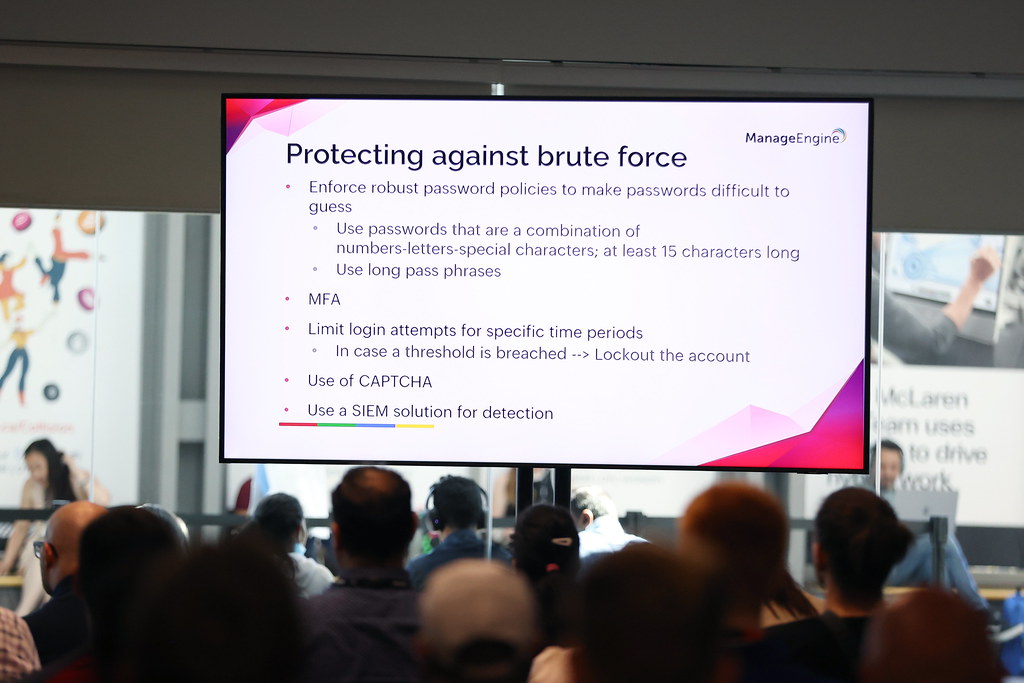
Stolen credentials remain a primary ransomware entry point. Multi-factor authentication (MFA) stops attackers who have obtained passwords via phishing, credential stuffing, or database breaches. MFA must be enforced for Microsoft 365, remote desktop access, VPNs, cloud applications, and administrative accounts. We’ve written extensively about why phishing still dominates 83% of UK SME cyber incidents in October 2026, and MFA is the single most effective control to break the attack chain even when users click malicious links.
2. Test Your Backup Restoration Process Monthly
Backups are only useful if they work when needed. Monthly restoration tests confirm that backup jobs are completing successfully, that data is not corrupted, and that your team knows how to restore systems under pressure. Document restoration procedures in plain language, store them offline, and ensure at least two staff members can perform full system recovery without access to your primary IT environment.
3. Segment Your Network to Limit Lateral Movement
Ransomware spreads laterally across networks, encrypting every accessible system. Network segmentation — separating servers, workstations, and sensitive systems into isolated zones — limits how far attackers can move even if they gain initial access. Your finance systems should not be directly accessible from every user workstation, and administrative credentials should never be used for everyday tasks.
4. Patch Systems Within 72 Hours of Release
Unpatched vulnerabilities provide documented entry points for ransomware groups.
Microsoft now recommends deploying Windows updates within three days of release
, a significant shift from older monthly patching cycles. We covered the Microsoft October 2026 Patch Tuesday which fixed just one vulnerability, representing an unusually quiet month that offers Kent SMEs a brief window to catch up on any delayed updates and test patch deployment processes before November’s likely larger release.
5. Prepare an Incident Response Plan Before You Need It
When ransomware strikes, decision-making must be rapid. An incident response plan documents who to contact (IT support, cyber insurance provider, legal counsel, the Information Commissioner’s Office if personal data is involved), what systems to isolate first, how to communicate with staff and customers, and how to assess whether paying a ransom is even technically viable. The plan must exist in printed and offline formats because your IT systems will be unavailable during an incident.
6. Consider Cyber Insurance with Verified Incident Response Support
Cyber insurance does not prevent ransomware, but it can fund forensic investigation, legal advice, regulatory fines, customer notification, and in some cases ransom payment itself. More importantly, reputable policies include access to incident response firms who specialise in ransomware negotiation, data recovery, and post-incident remediation. Review policy terms carefully: some exclude ransomware if multi-factor authentication was not enabled or if backups were not maintained.
The Regulatory Dimension: Ransomware Reporting Will Become Mandatory
We covered UK ransomware reporting requirements in 2026 as the Cyber Security and Resilience Bill progresses through Parliament.
The Bill passed its second reading on 6 January 2026 and will introduce mandatory 24-hour incident notification windows, include ransomware attacks as reportable incidents, and give regulators stronger enforcement powers with penalties of up to £17 million or 4% of global turnover
.
For Kent SMEs, this means ransomware incidents will trigger formal reporting obligations, regulatory scrutiny, and potential enforcement action if you cannot demonstrate reasonable security measures were in place before the attack. The 58% payment rate suggests many businesses are unprepared; the incoming legislation will make that unpreparedness legally and financially costly.
What to Do Right Now
If your Kent business does not have tested backups, enforced multi-factor authentication, and a documented incident response plan, you are statistically more likely to join the 58% who pay when ransomware strikes. The controls listed above are not theoretical: they represent the minimum standard that Cyber Essentials certification requires and that cyber insurers increasingly demand before offering coverage.
The gap between NCSC guidance and the 58% payment rate is not a failure of advice; it is a failure of preparation. Businesses pay ransoms because they have no other option when systems are encrypted, operations have stopped, and customers cannot be served. The time to build resilience is before the attack, not during the crisis.
Meridian Micro Limited has supported Kent SMEs with backup strategy, incident response planning, and ransomware resilience since 2004. If your business needs an independent assessment of ransomware preparedness, tested backup verification, or support implementing the controls outlined above, call our Saltwood office on 01303 883111 or visit our IT security blog for additional guidance on protecting your business before ransomware strikes.